Fans hear "offside" called constantly in rugby union, but it is not one single rule — it changes depending on what is happening on the pitch. Here is what World Rugby's laws actually say for each situation.
Offside in open play and at the breakdown
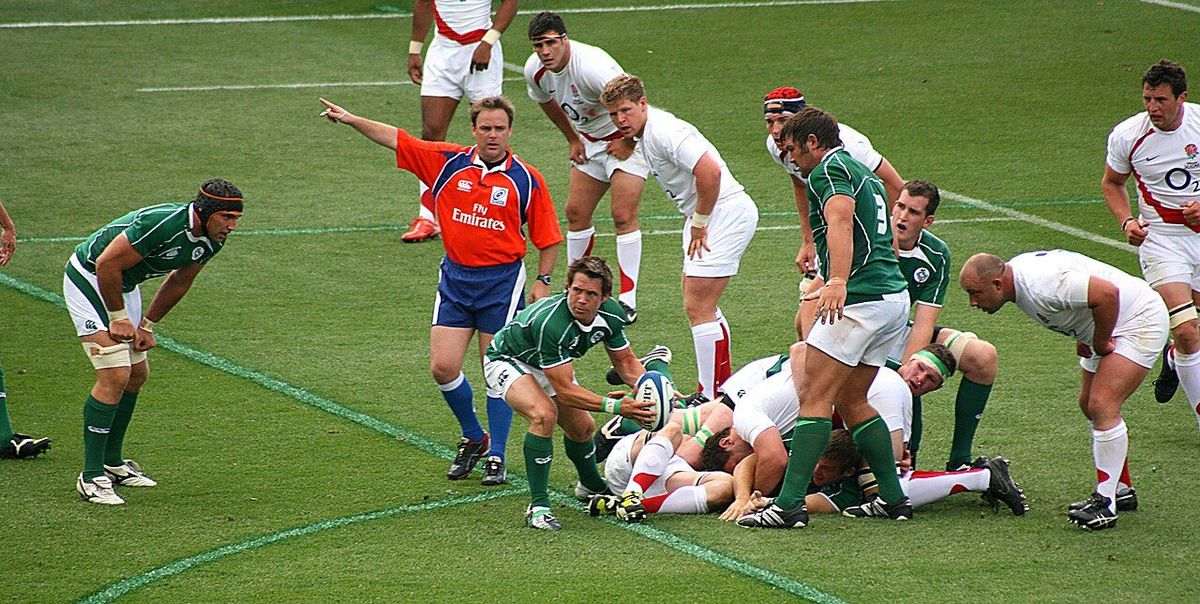
In general play, a player is offside if they are ahead of a team-mate who is carrying the ball, or who last played it. An offside player who interferes with play, obstructs an opponent or gains an advantage is penalised. At a ruck, the offside line for both teams runs parallel to the goal line through the hindmost foot of the hindmost player in the ruck, so anyone arriving late must join from behind that line or stay out of the contest entirely. A maul works in a similar way: each team's own offside line runs through the hindmost foot of its players in the maul, nearest that team's own try line.
Offside at scrums and lineouts
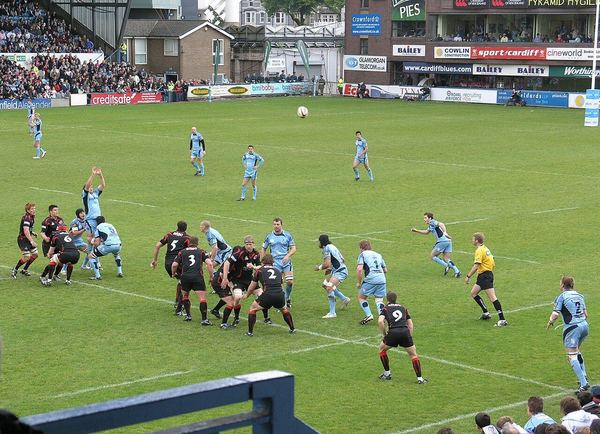
At a scrum, players not taking part must stay at least five metres behind the hindmost foot of their team's back row, with one exception: the defending scrum-half may instead stand level with the opposing scrum-half. At a lineout, the offside line for players not standing in the line is 10 metres back from the line of touch, or the goal line if that is nearer; players in the line of touch itself are onside up to that line until the ball is thrown and touched, after which the ball becomes their offside line instead.
How a player gets back onside
An offside player becomes onside again once an opponent carrying the ball runs five metres or kicks it, or once the offside player retreats behind the relevant offside line, or when a team-mate who was onside runs in front of them. Referees judge each situation against the nearest offside line for that phase of play — the ball, the ruck or maul, or the scrum or lineout — rather than applying one fixed distance everywhere.
The practical rule of thumb for a spectator is to work out which situation is in play — open field, ruck, maul, scrum or lineout — because each one draws its offside line in a different place. World Rugby publishes the current wording of the laws, including any active law trials, at laws.worldrugby.org.