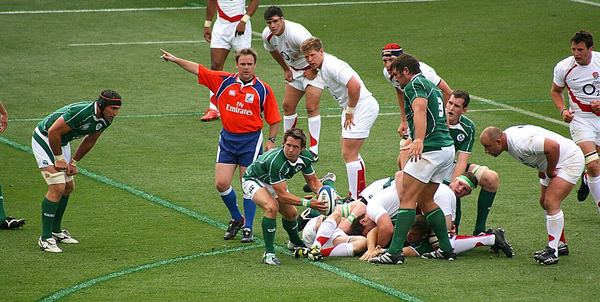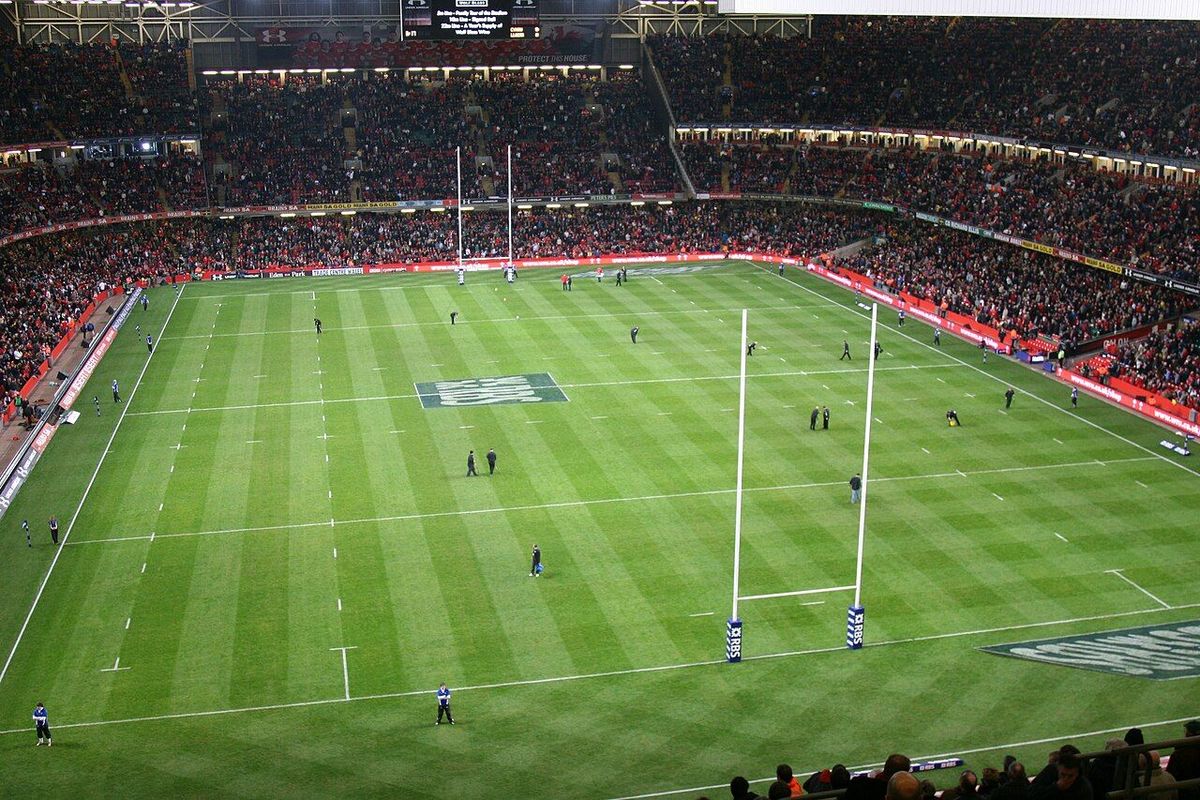
The Six Nations is men's rugby union's biggest annual tournament in the northern hemisphere: England, France, Ireland, Italy, Scotland and Wales play each other once, home or away, for the title.
Format and points
Each team plays the other five once, five matches per side and fifteen matches in total, with home and away fixtures alternating from year to year. A win is worth four championship points and a draw two, with bonus points on top: one for scoring four tries or more in a match, and one for losing by seven points or fewer. Those bonus points regularly decide the final table when two or more teams finish level.
Win all five matches and a team claims the Grand Slam, the term for a clean sweep of a Five or Six Nations campaign. The Triple Crown is a separate prize contested only by the four home unions, England, Ireland, Scotland and Wales, and goes to whichever of them beats the other three; France and Italy do not compete for it.
Trophies and rivalries
On top of the title itself, several fixtures carry their own trophy:
- Calcutta Cup, between England and Scotland
- Millennium Trophy, between England and Ireland
- Centenary Quaich, between Ireland and Scotland
- Giuseppe Garibaldi Trophy, between Italy and France, first awarded in 2007
- Doddie Weir Cup, between Scotland and Wales, introduced in 2018 in support of motor neurone disease research
- Cuttitta Cup, between Italy and Scotland, first contested in 2022
History and the women's game
The tournament traces its roots to the Home Nations Championship, first played in 1883 between England, Ireland, Scotland and Wales. France joined in 1910 to make it the Five Nations, and Italy's admission in 2000 completed the Six Nations as it stands today.
A separate Women's Six Nations runs under the same six flags. Its first edition, in 2002, was won by France, who beat Ireland 46-0 in the final round to complete a Grand Slam; that tournament had itself grown out of a Home Nations and then a Five Nations championship for women through the 1990s.
For a new fan, the practical points to remember are simple: five matches each, bonus points that can swing the table, and a Grand Slam or Triple Crown as the prizes to watch for beyond the trophy itself.